



What Is Obsessive-compulsive Disorder (Ocd)?
Obsessive-compulsive disorder (OCD) is a mental illness characterized by unrelenting upsetting thoughts (obsessions) that cause individuals to perform certain behaviors (compulsions). Over time, OCD can become disruptive in multiple areas of a teen or young adult’s life and prevent them from being able to function healthily.


How Does Ocd Impact Young People?
The defining characteristic of OCD in teenagers and young adults is consistent, irritating thoughts and a belief that these thoughts can only be alleviated and/or “reversed” by performing certain behaviors.
Despite the often unenjoyable nature of these ritualistic behaviors, teens and young adults experiencing these symptoms feel compelled to perform certain rituals as a way to cope with their obsessive thoughts. Responding to thoughts in this way creates a strong cause-and-effect cycle that can be difficult to break without targeted teen obsessive-compulsive disorder treatment.
COMMON SYMPTOMS OF OCD
While everyone experiences repetitive thoughts and behaviors to some degree, OCD in teenagers and young adults is correlated with obsessive thoughts that cause considerable unrest and severely disrupt things like school, work, relationships, and family life.
How Does Ocd Impact Young People?
Specific obsessions and compulsions differ from person to person, but some of the common symptoms of OCD we observe include:
- Repetitive behaviors that are intrusive or inappropriate
- Intrusive thoughts and behaviors regarding cleanliness or order
- Thoughts and behaviors concerning hoarding or spending
- Thoughts surrounding morality or religion
- Thoughts pertaining to some form of harm
- Thoughts surrounding sex
- Unexplained repetitive behaviors such as hand-washing, counting, touching, or locking doors
One of the challenges for teens and young adults with OCD is that they struggle to change or control behaviors even when they’re aware of their negative effects. For some young people, this lack of control may lead to withdrawal from others in an attempt to hide behaviors and avoid the judgment that can come along with them.

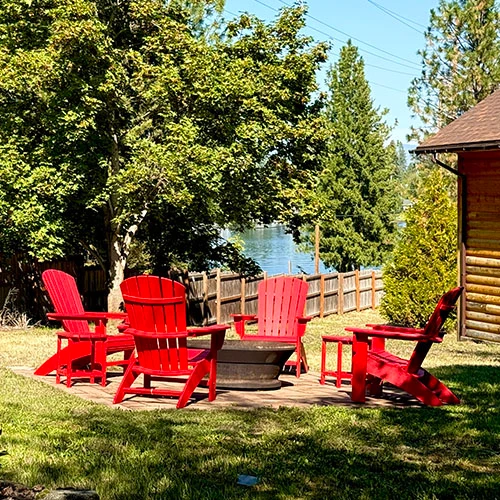
Paradigm Ocd Residential Treatment In California, Idaho, And Texas
We offer specialized OCD residential treatment in California, Idaho, and Texas, with a focus on teen and young-adult mental health treatment and dual-diagnosis care. Treatment plans are designed according to each resident’s needs, symptoms, goals, and interests. In this sense, no Paradigm Treatment plan is like another, and all residents receive tailored OCD treatment to their unique strengths and weaknesses.
We also take a holistic approach to not just the OCD symptoms, but the impact of these symptoms on other areas of a teen or young adult’s life. Our obsessive-compulsive disorder treatment considers each resident’s specific compulsions and behaviors, as well as the underlying stressors and/or experiences that may be aggravating their condition.
Our approach to treating OCD in teenagers and young adults combines both traditional and progressive strategies and is geared toward addressing the mental and behavioral aspects of the illness, as well as any co-occurring disorders that may be present at the same time.

Our Approach
Our therapists work with clients to help them identify the nature of their obsessions, how those thoughts are triggered, and how these thoughts influence certain behaviors.
Residential young adult and teen obsessive-compulsive disorder treatment at Paradigm is intended to help clients recognize problematic patterns and explore and process the emotions behind them. In doing so, we hope to help young people identify the source of tension for current OCD cycles and lessen the hold that the OCD cycle has on their lives.
Young adult and teen OCD treatment helps clients become more empowered to resist urges and function healthily in their lives. As part of this process, we help residents feel more in control of their mental well-being and incorporate new, healthy behaviors into their routines.
How We Treat
At Paradigm, our specialized residential OCD program for teens and young adults offers stays ranging from 30 to 90 days, tailored to clinical recommendations following a thorough initial assessment.
As a comprehensive mental health residential treatment center, Paradigm provides evidence-based therapies to address OCD and various other mental health conditions, ensuring holistic and effective care for your child’s unique needs.
Individual and group therapy are cornerstones of our OCD treatment program. Clients participate in several sessions, including four individual therapy sessions and group therapy sessions at least once a week. Combining group and individual therapy has proven to significantly benefit our clients, promoting personal growth and fostering courage and confidence through developing peer relationships.
Our goal is to empower clients and their families during their stay and long after their time at Paradigm.
We recognize the profound connection between our clients and their family members. Thus, we provide weekly individual family counseling sessions and group family counseling sessions intended to help mend family dynamics and help family members better understand each other.
We utilize cognitive behavioral therapy at our residential treatment program because it significantly helps in lessening the symptoms of OCD.
CBT is a proven primary treatment that can help address the underlying causes of young adult and teen OCD. This specialized therapy helps our clients recognize obsessive thoughts and can also help them develop more healthy responses to these triggers.
Teen DBT is a cognitive behavioral approach that focuses mainly on the connection between young people’s mental health disorder symptoms and how it impacts their social interactions.
We use DBT in conjunction with other therapeutic techniques, all of which are meant to work synergistically. The goal is to provide tools and skills that teens can use throughout the rest of their lives, even when obsessive thoughts become particularly loud.
Experiential therapy is an integral part of our OCD treatment and recovery process and helps clients stay mindful and focus on their needs and emotions in the moment.
Some activities we offer in our experiential therapy program include:
- Art Therapy
- Drama Therapy
- Equine Therapy
- Yoga Therapy
- Music Therapy
- Recreational Therapy
- Spiritual Health Program
- Written/Narrative Therapy
For many of our clients, experiential therapy introduces them to new hobbies that they can enjoy long after their time in treatment.

Young Adult And Teen Ocd Treatment At Paradigm
OCD is not curable, but it can be treated. Whether you are a parent looking for help for a teen ages 12-17 or a young adult ages 18-26, we’re committed to working with you and your child to overcome the symptoms associated with OCD and start a path to a less anxious, less restrictive future.
As a mental health facility accredited by the Joint Commission, we exceed rigorous performance standards. Please call us today to learn more about our residential OCD treatment centers and to inquire about admissions.
Frequently Asked Questions
Perfectionism is more so wanting things done a certain way, or worrying about performance. OCD, however, involves intrusive thoughts that trigger intense discomfort until a ritual or repetitive act is performed. For example, a perfectionist student might reorganize their notes because they want things “just right,” while a teen with OCD feels they must do it or something bad might happen.
Residential treatment would be the better the option when OCD symptoms are disrupting everyday life routines and behaviors despite consistent outpatient therapy.
A residential OCD program for teens typically draws on a combination of evidence-based and experiential approaches, including Cognitive Behavioral Therapy (CBT) and Dialectical Behavior Therapy (DBT) In addition to talk therapy, many programs (including ours) incorporate experiential therapies like art, music, drama, equine, and yoga therapy. Both individual and group therapy sessions are core parts of the process as well.
Absolutely. One of the main advantages of residential settings is that residents are treated in a structured, supportive environment where staff can really get to know them. Treatment plans are built around each individual’s needs and strengths, and group therapy means they’re also building real connections with peers going through similar experiences. For parents who are nervous about this step, it helps to know that accredited facilities are held to strict clinical and safety standards.
Pretty deeply, actually. It’s not a situation where you drop your kid off and wait for updates. Parents take part family counseling, and have access to their children via landline even when not actively participating in treatment. The idea is that OCD affects the whole family dynamic, so healing works better when everyone’s involved.